

The 4 Key Benefits Expected
from Drone Pesticide Spraying
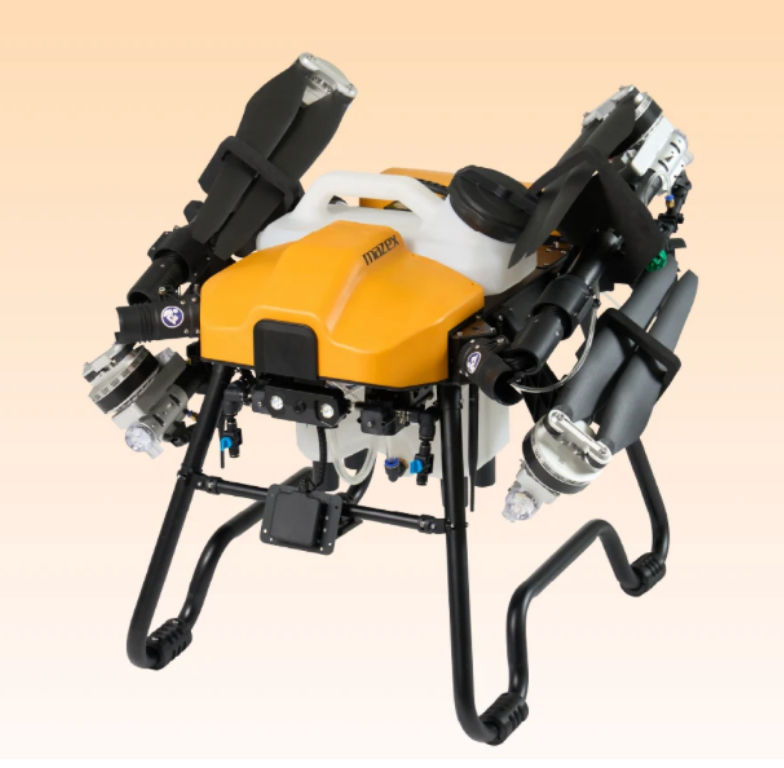
Why We Chose "Tobisuke" as Our Primary Drone
We chose Tobisuke for its practicality—perfectly optimized for Japanese farmlands—and the deep peace of mind that only a domestically manufactured drone can provide.
While large, foreign-made drones are becoming more common, Tobisuke is tailor-made for the scale of Japanese fields. This made it a highly convincing choice for us in terms of both ease of handling and maintenance costs.
Another deciding factor was the reassurance given by its patented 4-propeller technology, which ensures that liquid agents are evenly dispersed, reaching all the way to the undersides of the leaves.
Features like its 15-liter tank and automated flight functions reliably support our daily operations.
ABOUT OUR DORONES
01.Reducing the Physical Workload
By utilizing drones, the labor required for pesticide spraying can be drastically reduced.
Traditional spraying methods forced workers to carry heavy sprayers weighed down by chemicals, walking through vast fields to carefully apply the liquid. Extreme caution was also necessary to avoid stepping on the crops.

02.Drastic Reduction in Working Hours
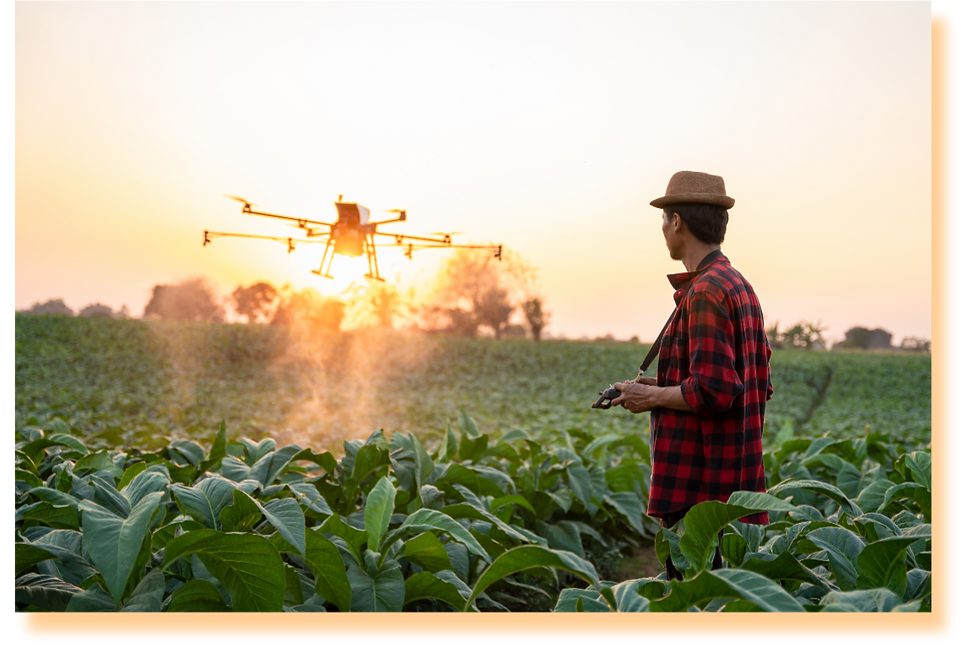
Using drones can significantly shorten the time required for pesticide spraying.
According to a report by the Ministry of Agriculture, Forestry and Fisheries (MAFF), a task that previously took about 2 hours per hectare using conventional power sprayers was completed in just 15 to 30 minutes with a drone.
In short, this results in cutting the total working hours down to approximately 1/8 to 1/4.
03.Health and Safety Protection
By utilizing drones, the safety of operators can be significantly enhanced.
With traditional pesticide spraying, working in close proximity to the chemicals was unavoidable. Even when wearing protective gear, there was always a persistent risk of coming into contact with or inhaling the chemical mist.
Drones, however, allow for remote operation from a safe distance. This approach ensures a much higher level of protection for the health and safety of workers.


04.Production Management and Wildlife Control
By introducing drones, they can be utilized in a wide range of scenarios beyond pesticide spraying, including production management and wildlife control measures. Selecting aircraft equipped with features tailored to specific needs enables higher-precision farm management.
● Production Management
By utilizing the aerial photography features of drones, you can assess variations in crop growth, leaf color, plant height, and lodging (flattened crops) from above.
● Wildlife Control
You can monitor surrounding farmlands from above to detect any wildlife intrusions. Equipped with infrared thermography cameras, drones can perform nighttime patrols, and certain models can even deter intruders using ultrasound or searchlights.
Drones demonstrate outstanding effectiveness as a safe and efficient solution for protecting crops.